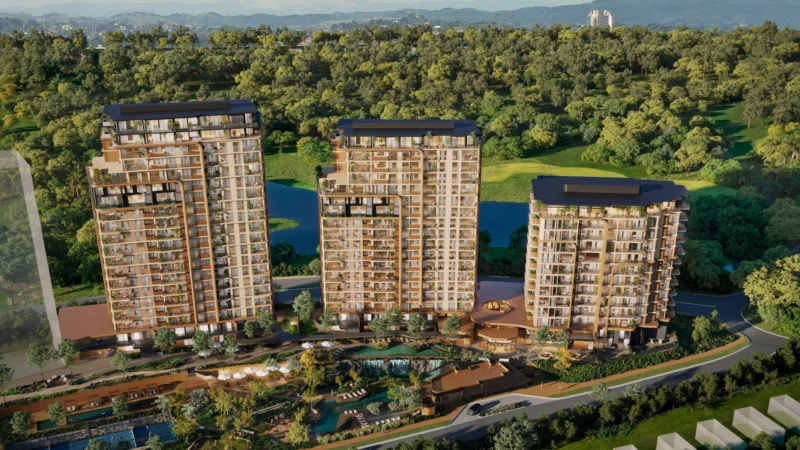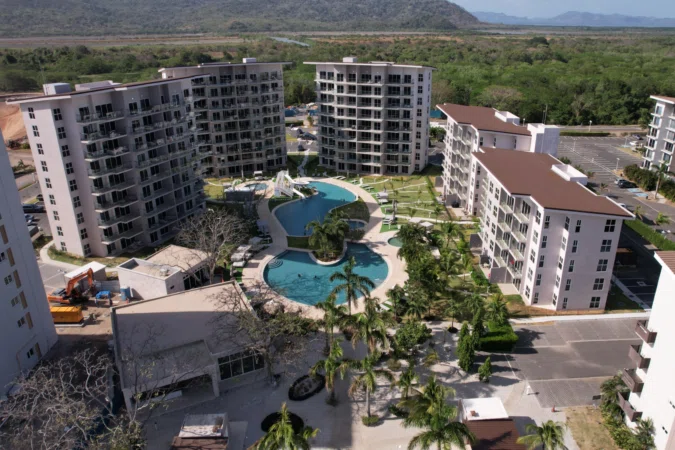
Object typeResidential
Completion dateQ4 2026
DeveloperGLP Properties
Total areafrom 69 m² to 90 m²
Down Payment5 000 $
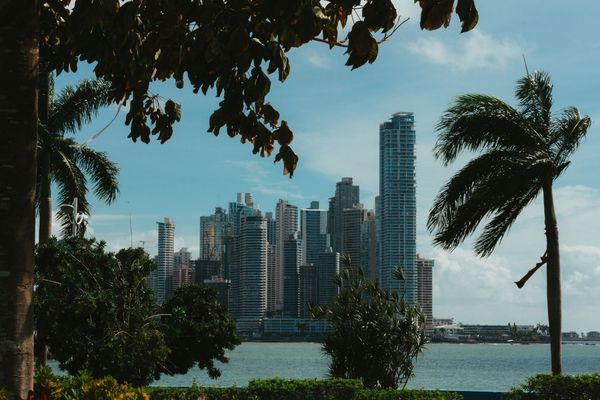
According to the Real Estate Survey of Latin America (RIAL), the average price of residential property in Panama City reached $1,804 per square meter in 2025, which was 2.38% higher than a year earlier. At the same time, the tourism industry continues to grow: Panama welcomed 3.0 million international visitors in 2025, while tourism revenue increased by 9.7%, reaching $6.58 billion.
These trends are making Panamanian real estate an increasingly attractive option for preserving wealth and earning rental income. However, investors assessing potential returns need to consider not only the purchase price but also the applicable taxes.
In this article, we explain the key tax obligations associated with buying property, owning it, renting it out and eventually selling it.
The taxes payable on property in Panama depend largely on how the property is used. Owners may face annual property tax after completing a purchase, income tax when renting out the property, and capital gains tax and transfer-related charges when selling it.
At the same time, the country’s tax system is based on the territorial principle. This means that income received from property located in Panama is taxed in accordance with local legislation, while income from foreign sources is generally not taken into account when taxes are calculated.
Once ownership has been registered, the owner may be required to pay annual property tax, known as Impuesto de Bienes Inmuebles. According to the Directorate General of Revenue of Panama’s Ministry of Economy and Finance (Dirección General de Ingresos, or DGI), the tax is based on the property’s registered cadastral value. The applicable rates depend on whether the property serves as the owner’s primary residence or is held as an investment. A separate percentage scale is established for each property category.
If the property is the owner’s primary residence (Vivienda Principal):
If the property is classified as an investment property:
Income from renting out property is considered income received within the territory of Panama and is therefore subject to taxation in accordance with local legislation. The following personal income tax scale applies to individuals:
In addition, Panama applies ITBMS (Impuesto de Transferencia de Bienes Muebles y Servicios), an indirect tax similar to VAT. ITBMS does not replace income tax and, in certain cases, may apply alongside it. The standard ITBMS rate is 7%.
It should be taken into account that ITBMS applies if the property is rented for a period of less than six months and the owner’s annual turnover exceeds $36,000. If residential premises are rented for a period of more than six months, this tax is not charged.
When selling a property in Panama, owners should take into account several mandatory tax payments. These include capital gains tax, a withholding payment credited against that tax, and the real estate transfer tax.
Capital gains tax is the primary tax payable upon the sale of real estate. It is levied at 10% and is calculated on the seller's profit rather than the sale price itself. In other words, it is based on the difference between the sale price and the documented acquisition costs.
A 3% withholding payment is collected when the property is sold. It is calculated using the higher of the property's sale price or cadastral value. This amount is credited against the final capital gains tax liability. If the withholding exceeds the actual tax due, the seller may apply for a refund of the overpaid amount.
The seller is also required to pay the Real Estate Transfer Tax (Impuesto de Transferencia de Bien Inmueble, ITBI) at a rate of 2%. The same tax base applies – the higher of the property's sale price or cadastral value.
Panama's tax system is considered relatively straightforward and transparent. Nevertheless, anyone planning to purchase property should understand the tax obligations that may arise at each stage of ownership. In addition to annual property tax, investors should also consider the taxation of rental income and the rules governing the future sale of the property.
Particular attention should be paid to the way certain taxes are calculated. In some cases, the tax base is determined using the higher of the property's sale price or cadastral value, which can affect the overall tax liability.
As tax regulations may change and the application of certain rules depends on the specific circumstances and characteristics of each property, prospective buyers are strongly advised to consult a local lawyer or tax adviser before completing a purchase. Doing so will help them assess their tax obligations in advance and avoid unexpected costs.